
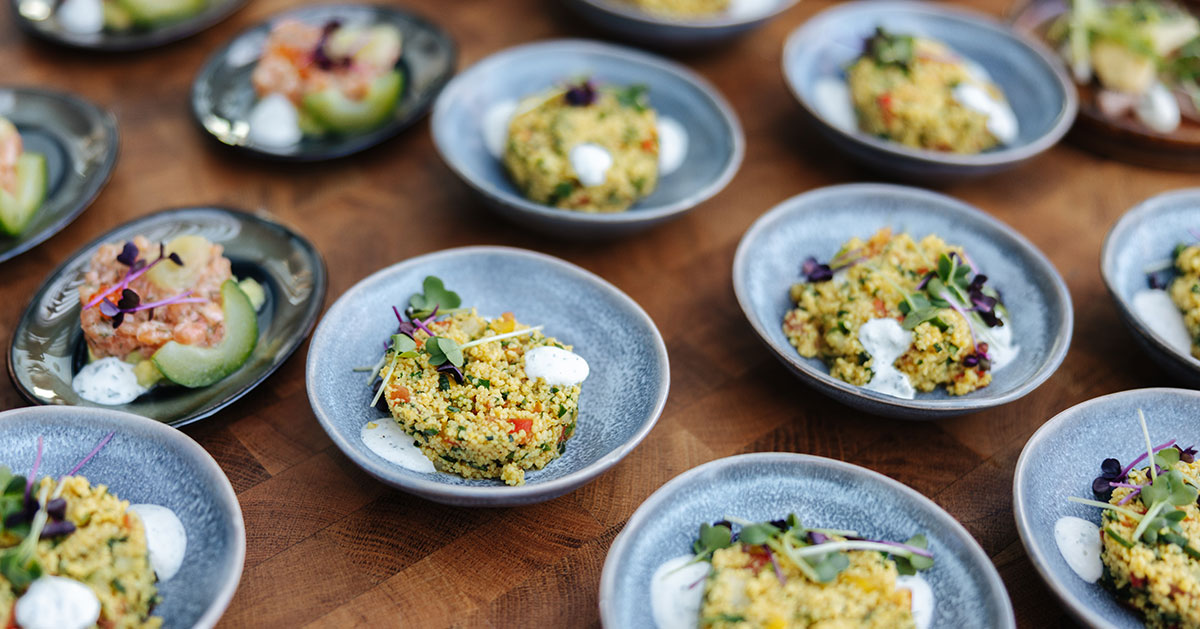
You know what they say… Great things come in small packages. And when it comes to your plate, this couldn’t be truer. If you’re trying to lose weight or simply maintain a healthy 1, eating smaller meals more regularly might be your new best-kept (but soon-to-be-shared) secret. We’re talking bite-sized brilliance, folks!
The lowdown on smaller, more frequent meals
Eating 6 mini-meals a day instead of the traditional 3 meals has become a popular way to manage weight. Why? Because keeping your belly satisfied without going full buffet can help you:
- Curb cravings before they turn into cookie catastrophes.
- Maintain steady energy levels (no more nodding off at 15:00).
- Avoid overeating later in the day.
Let’s unpack this tasty tactic…
Benefits of eating more often (but smaller portions)
1. It keeps your metabolism ticking along
Your body burns energy (aka kilojoules) just to digest food. This is called the thermic effect of food (fancy science for ‘your body’s internal braai’). Eating more often means more chances to stoke that metabolic fire, even if it’s a gentle simmer.
2. It helps regulate blood sugar levels
Ever felt hangry? That’s your blood sugar taking a dive. Smaller, balanced meals spaced out during the day keep your glucose levels stable, which helps you avoid the dreaded doughnut dash when your blood sugar crashes.
3. It reduces the temptation to overeat
Let’s be honest, arriving at dinner time ravenous is a recipe for disaster. You’ll inhale a loaf of garlic bread before your pasta even lands. Frequent smaller meals help you stay full, so you’re not tempted to go full-on carbzilla.
4. It supports portion control
When you know you’ve got another meal coming in a few hours, it’s easier to stop when you’re satisfied rather than stuffed. It’s like giving yourself permission to eat, just smarter.
5. It might boost your mood
Balanced blood sugar and consistent energy = better mood. Nobody likes a hangry person. Your relationships may thank you, too!
But wait, isn’t snacking bad?
That depends on what you’re snacking on. Grazing on chips and sweets every 2 hours? Not helpful. But smaller, nutrient-dense meals made up of lean protein, healthy fats, and high-fibre carbs? Now that’s the royal road to health.
Think: A boiled egg and an apple, yoghurt with seeds, a slice of wholegrain toast with avo, or some biltong.
Tips to make it work for you
- Plan ahead: Prep your mini-meals so you’re not caught off-guard (and grabbing a koeksister at the petrol station).
- Eat every 2.5 to 3 hours: Don’t set a timer, but stay consistent.
- Balance is key: Aim for protein + fibre + healthy fats.
- Hydrate! Sometimes we mistake thirst for hunger.
- Listen to your body: If you’re genuinely not hungry, skip a meal. Flexibility is part of the plan.
The verdict: Small bites, big benefits
There’s no 1-size-fits-all when it comes to nutrition, but eating smaller meals more often can be a game-changer for many. It’s a smart, sustainable strategy to control hunger, stabilise energy, and keep your weight in check, without feeling like you’re constantly dieting.
And in the kingdom of wellness, consistency is king!
Small bites, but don’t forget big protection
While you’re taking smaller steps toward better health, don’t forget the big stuff, like making sure your car, home, and beloved possessions are insured because even small mishaps can have big consequences.
Whether you’re trying to lose weight or just keep the scale from creeping, you deserve insurance that keeps up with your lifestyle. From comprehensive car insurance to R1 cover for your hearing aids, bicycle, and golf clubs, King Price Insurance has your back.
Ready to reign over your risks? Click here or WhatsApp us on 0860 50 50 50 for a quote.
Frequently asked questions
Is eating 6 small meals a day better than 3 large ones?
For some people, yes. Especially if it helps prevent overeating, maintain energy, and curb cravings. But it’s not a 1-size-fits-all. Some people do better with 3 meals. Listen to your body.
Will eating more often speed up my metabolism?
It might slightly increase the thermic effect, but the total kilojoules you consume matter more. What you eat and how much still count.
Can I lose weight by just eating smaller meals?
Smaller meals can help reduce overall calorie intake, especially if they prevent bingeing. But to lose weight, you still need to be in a calorie deficit.
What’s a good example of a small, healthy meal?
Try a handful of nuts with fruit, hummus with carrot sticks, or a hard-boiled egg with a slice of rye toast.
What should I avoid when eating more frequently?
Avoid ultra-processed snacks, sugar-laden drinks, and oversized portions. It’s still about quality over quantity.