
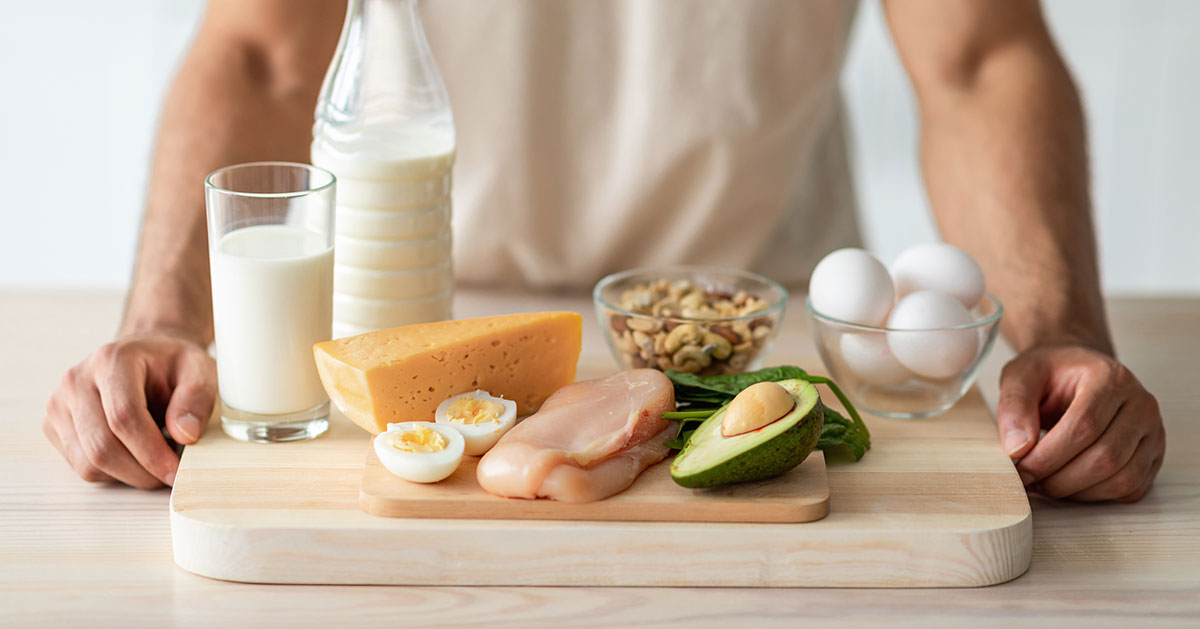

Why protein is important for exercise
When it comes to reaching your fitness goals, whether it’s lifting heavier, running faster, or simply staying energised, protein is a must-have in your nutrition plan. This essential nutrient helps your body recover from training, repair muscle tissue, and build new strength. It’s not just something for bodybuilders or gym buffs. It’s essential for anyone who wants to move, perform, and feel better.
The muscle whisperer
Protein acts like a brick supplier to your body. Every time you exercise, especially during resistance or weight training, you create microscopic tears in your muscles. These tiny tears are necessary because they trigger muscle growth and strength development. But your body needs raw materials to rebuild, and that’s where protein comes in. It supplies the amino acids your muscles need to recover and grow stronger.
More than just muscles
Beyond muscle repair and growth, protein supports your immune system, keeps your metabolism active, and helps with weight management. It plays a key role in reducing post-exercise soreness, so you can bounce back quicker after a tough workout. Protein also promotes satiety, meaning it keeps you fuller for longer, which can help manage cravings and maintain a healthy body composition.
How much protein do you actually need?
The amount of protein you need depends on your body weight, goals, and level of physical activity. As a general guideline, recreational exercisers typically need between 1.0 to 1.2 grams of protein per kilogram of body weight per day. Endurance athletes usually need around 1.2 to 1.4 grams per kilogram, while those focused on strength and resistance training might require up to 2.0 grams per kilogram daily. For example, someone weighing 70 kilograms and training regularly would need between 112 and 140 grams of protein a day.
Timing is everything
Getting enough protein is 1 thing, but when you consume it also matters. After a workout, your body is primed to absorb nutrients. This is why it’s best to eat a protein-rich snack or meal within 30 to 60 minutes after exercise. Eating protein throughout the day helps to continually support muscle repair and growth. Before bedtime, a serving of slow-digesting protein, like casein, can provide overnight nourishment to your muscles. Pairing protein with carbohydrates after training can also help replenish energy and further support recovery.
Sources of protein
Whether you prefer animal or plant-based eating, there are plenty of ways to get enough protein. Animal-based sources include eggs, chicken, beef, fish, yoghurt, and whey protein supplements. Plant-based eaters can turn to lentils, chickpeas, tofu, tempeh, quinoa, and soy milk. Getting a variety of sources throughout the day helps ensure you receive a full range of amino acids, which are essential for recovery and performance.
The risks of skimping on protein
Not getting enough protein can negatively affect your training progress. If your body doesn’t have enough protein to rebuild muscle tissue, you may lose muscle mass instead of gaining it. You could also experience prolonged soreness, slower recovery times, increased risk of injury, and reduced performance during workouts. In other words, protein helps you get the most out of your effort, and without it, your body struggles to keep up.
Insure your hustle
Living an active lifestyle is rewarding, but it can also come with risks. Whether you’re training at the gym, running a trail, or cycling on the weekends, the potential for injury is real. That’s where having the right insurance makes a difference. Personal accident cover helps protect you financially if you’re injured and unable to work, so you can focus on your recovery without extra stress. For those who love their gear, you can also insure your hearing aids, bicycle, golf clubs, or motorbike gear for just R1 per month when you have comprehensive car or motorbike insurance with King Price. It’s a smart way to protect your lifestyle while pursuing your fitness goals.
Protein is a powerhouse nutrient that supports muscle growth, helps your body recover, and fuels your training performance. Whether you’re a weekend warrior or a daily gym-goer, making protein part of your everyday routine can help you train smarter and recover faster. And while you’re looking after your body, make sure you also protect the lifestyle you’ve worked hard to build.
Stay active, stay protected. Chat to King Price about personal accident cover and our R1 insurance options for your gear. Get a quote today and give yourself peace of mind with insurance that supports your lifestyle. Click here or WhatsApp us on 0860 50 50 50 for a quote.
FAQs
Can I get enough protein from a plant-based diet?
Yes. With the right combination of foods, a plant-based diet can provide all the essential amino acids your body needs. Foods like lentils, beans, soy, tofu, and whole grains are great sources of plant protein.
Is too much protein bad for you?
For most healthy people, consuming more protein than needed isn’t harmful, but extremely high intakes over time could put strain on your kidneys. It’s best to stick within the recommended range unless advised otherwise by a healthcare professional.
What’s better: Protein shakes or food?
Whole foods are always ideal because they provide a variety of nutrients. However, protein shakes are a convenient option when you’re short on time or need a quick post-workout recovery.
How soon after exercise should I have protein?
Aim to eat protein within 30 to 60 minutes after training to maximise muscle recovery and repair.
Do I need protein if I’m not trying to bulk up?
Absolutely. Protein is essential for everyone who exercises, regardless of whether your goal is muscle gain, fat loss, or general wellness.
