
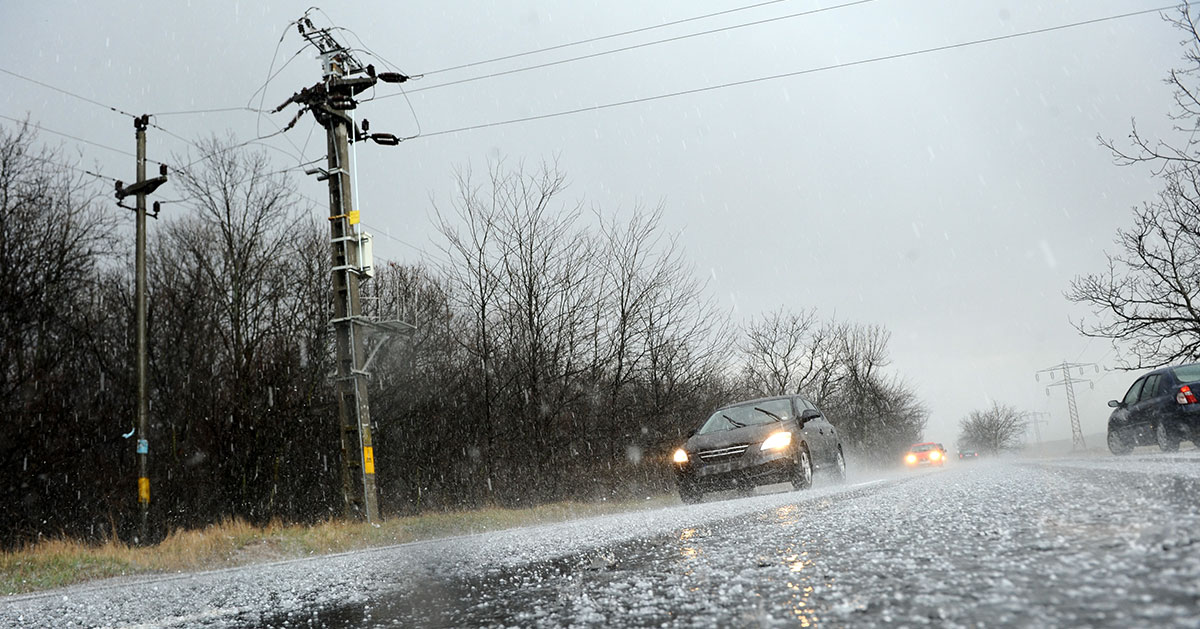

South Africans know storms. 1 minute you’re cruising with the windows down, singing like nobody is listening, and the next minute the sky decides to throw frozen pellets of doom at your car. Or worse, the rain arrives so fast that you can’t see more than a metre ahead. Welcome to summer in SA, where the weather also has a sense of humour.
Hailstorms and cloud bursts can damage cars, homes and roofs, smash windows and cause flash floods. They can also ruin your hairstyle. While we can’t help with the last 1, we can help you stay safe and know what to do before, during and after the storm. Because in the king’s kingdom, your safety always comes first.
Let’s keep things simple, clear and practical. Here’s your full guide to handling hailstorms and cloud bursts with confidence and zero panic.
First things first, what’s a hailstorm, and what’s a cloud burst
A hailstorm happens when chunks of ice fall from the sky during a thunderstorm. These ice balls can range from tiny pellets to golf ball-sized monsters. They can dent cars, smash windscreens and break roof tiles.
A cloud burst is an intense, short burst of rain that falls so fast that drains can’t cope. This can cause sudden flooding, reduced visibility, road ponding and dangerous driving conditions.
Most provinces in South Africa experience both of these during summer. So being ready isn’t optional; it’s essential.
What to do if you’re caught in a hailstorm while driving
If you’ve lived in SA long enough, you know that hail tends to arrive at the exact moment when you’re on the road, minding your own business. Ice falls from the sky, traffic stops, and you suddenly become a sitting duck.
Stay calm. Here’s what to do:
1. Slow down gently
Reduce your speed. Sudden braking can lead to skidding and loss of control. Ease off the accelerator and let the car settle.
2. Switch on your hazard lights
This makes you visible to other drivers who may also be stressed and struggling to see.
3. Look for safe shelter
The safest places to wait out a hailstorm include:
- A covered petrol station.
- A shopping centre parking area.
- A garage at home if you’re close.
Don’t stop under trees. They can drop branches, especially in heavy hail.
4. Angle your car so hail hits the roof, not the windscreen
Your windscreen is more fragile than your roof. If you can’t find shelter, turn the nose of your car away so hail hits the roof first. This can prevent cracks and help you stay safer inside.
5. Stay inside the car
You’re safer inside. Hail can injure you if you get out. Wait for the hail to ease before moving again.
6. Watch out for flash flooding after hail
Hailstorms often lead to sudden flooding. Drive slowly, avoid deep puddles and never attempt to cross a flowing section of road. You can’t judge the depth by looking at the surface.
What to do if you’re caught in a cloud burst while driving
A cloud burst brings extreme rainfall all at once. Roads can fill up quickly. Visibility can drop to almost zero.
Here’s what to do.
1. Turn on your headlights
Not your brights. Just your normal headlights. This makes you visible without blinding other drivers.
2. Increase your following distance
Wet roads mean longer stopping distances. Give the car in front of you more space.
3. Drive slowly and smoothly
No sudden movements. No harsh braking. No sharp turns.
4. Avoid flooded roads
Water can:
- Stall your engine.
- Damage electronics.
- Sweep your car away.
If the water looks deeper than halfway up your wheel, don’t enter.
5. If visibility drops, pull over
If you can’t see road lines or taillights, find a safe spot to stop. Keep your hazards on and wait until you can see again.
What to do if you’re at home during a hailstorm or cloud burst
Storms at home can also be stressful. Here’s how to stay safe.
1. Move pets and people indoors
Dogs, cats, kids, grandparents and visiting nephews who refuse to come inside. Bring them all in.
2. Close windows and curtains
Glass can crack during hail. Closed curtains help stop shards from flying further inside.
3. Unplug sensitive electronics
Power surges often follow storms. It’s safer to unplug TVs, routers, laptops and appliances.
4. Check outdoor drains if it’s safe
Blocked drains worsen flooding. Only check them if the rain is still light. If it’s heavy, stay indoors and wait.
5. Keep an eye out for roof leaks
Small leaks can turn into big problems. Place a bucket and make a note to inspect the roof once the storm has passed.
What to do after a hailstorm or cloud burst
When the storm ends, the cleanup mindset begins.
1. Check your car for hail damage
Look for:
- Dents on the roof and bonnet.
- Cracked taillights.
- Chipped paint.
- Shattered windscreens.
If there‘s damage and you have King Price comprehensive or agreed value cover, hail damage is insured unless you opted out.
2. Check your home for leaks and damage
Buildings insurance covers storm, hail, wind and rain damage to your physical structures.
If you have home contents insurance, the items inside your home are covered too.
3. Take clear photos
Photos help speed up the claim. Photograph:
- The damage.
- The area around it.
- Any items affected.
4. Report incidents quickly
King Price requires you to report a claim as soon as possible or within 30 days.
You can submit your claim online or by email.
5. Never start repairs before speaking to the king
Unauthorised repairs may lead to your claim being rejected.
Contact us first. We’ll guide you through the next steps.
How to prepare in advance for hailstorms and cloud bursts
A little planning goes a long way.
1. Download a reliable weather app
Most storms give some warning. If you see a thunderstorm alert, avoid travelling if possible.
2. Park your car in a garage when storms are expected
Even a basic carport helps reduce hail damage.
3. Keep your gutters clear
Blocked gutters cause indoor leaks and water damage to ceilings.
4. Install surge protectors
This protects electronics against power spikes.
5. Keep emergency numbers saved
Save the king’s emergency assist number: 0860 50 50 50.
If you have comprehensive car insurance, roadside, accident and medical assist are included.
How King Price helps when storms hit
If you have comprehensive or agreed value car insurance with the king, you’re covered for hail damage unless you asked us to remove that part of your cover.
If your car is damaged during a storm:
- Call the emergency assist line before any towing.
- We arrange authorised towing.
- We help you through your claim.
If your home is damaged by a storm or hail and you have buildings or home contents cover, we’ll cover the repair or replacement of the affected areas or belongings.
And if your car ends up with dents and chips from hail, our optional scratch and dent cover even includes hail damage repairs once a year.
Storms might feel scary, but having royal cover changes the whole story.
Summary
Hailstorms and cloud bursts can arrive with no warning, but knowing what to do keeps you safe and calm. Slow down, seek shelter, avoid flooded areas and stay inside your car during hail. At home, secure your space, close windows, and protect electronics. After the storm, record the damage, take photos and contact the king to guide you through your claim.
Storms happen. Panic doesn’t have to.
FAQs
1. Is hail damage covered by King Price car insurance?
Yes. If you have comprehensive or agreed value car insurance and didn’t remove hail cover, hail damage is covered.
2. What should I do if hail damages my windscreen while I am driving?
Slow down, pull over safely, switch on hazards and wait for the storm to pass. Then assess the damage and contact King Price to start a claim.
3. Does building insurance cover storm, wind and rain damage?
Yes. Building insurance covers physical structures like roofs and walls against storm and hail damage.
4. What if my home contents get damaged by a leak during a storm?
Home contents insurance covers your belongings if they are damaged due to storm related incidents.
5. Must I contact King Price before repairing storm damage?
Yes. Repairs done without approval may lead to claim rejection.
