
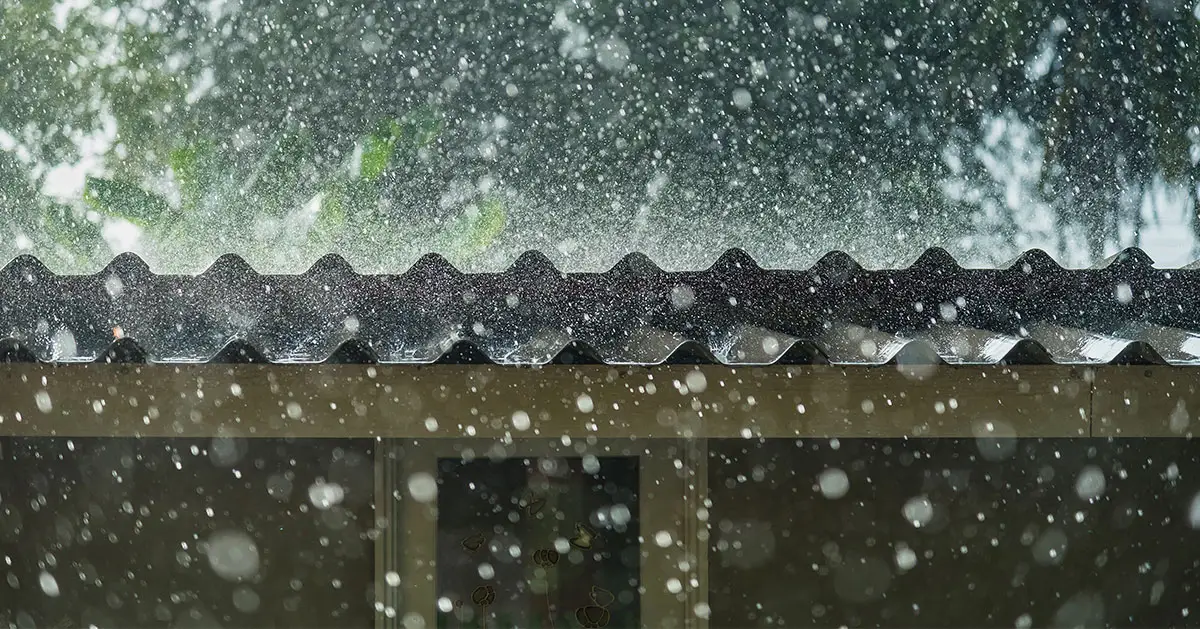

The rainy season in South Africa is beautiful, until your ceiling starts dripping, your garden floods, or a fallen tree branch punches through your roof. When the wet season arrives, it has a way of finding every gap in your home’s defences. The good news? A solid buildings and home contents insurance policy means you won’t be left footing the bill alone. Here’s the king’s guide to making sure your cover is rain ready before the first storm rolls in.
Key takeaways
- Buildings insurance covers storm, rain, hail, and flood damage to the physical structure of your home.
- Home contents insurance protects your furniture, appliances, and belongings from the same weather events.
- Routine maintenance is your responsibility, neglected roofs and gutters can result in a rejected claim.
- Your sum insured should reflect the full cost to rebuild your home from scratch, not its selling price.
- Report any damage to King Price as soon as it happens, the sooner you claim, the smoother the process.
What does home insurance actually cover in the rainy season?
South African summers bring afternoon thunderstorms that can go from sunshine to hail in twenty minutes. Winter in the Western Cape means weeks of cold fronts and relentless rain. Both seasons can cause serious damage to your home, and both are covered under a standard King Price buildings insurance policy.
- Buildings insurance
- Insurance that covers the physical structure of your home, walls, roof, floors, windows, and fixed fittings, against events like fire, storm, flooding, and accidental damage.
Here’s a quick breakdown of what’s covered and what isn’t when the skies open:
| Type of damage | Buildings insurance | Home contents insurance |
|---|---|---|
| Storm damage to roof or walls | Yes | No |
| Hail damage to windows and skylights | Yes | No |
| Flooding damage to floors and ceilings | Yes | No |
| Furniture and appliances soaked in a flood | No | Yes |
| Electronics damaged by a power surge after lightning | Depends on policy | Yes, check your policy |
| Damaged garden walls or boundary fencing | Yes, check your policy | No |
| Geyser burst or leak causing water damage | Yes | Yes, for contents affected |
King Price buildings insurance covers damage to the structure of your home caused by storms, rain, hail, flooding, and other insured events.
How to get your home rain ready before the season starts
Insurance is your safety net, but it isn’t a substitute for basic home maintenance. Insurers (including King Price) can reject a claim if damage resulted from neglect rather than a sudden, unexpected event. The good news is that a few hours of prep work before the rains arrive can prevent thousands of rands in damage and keep your claims history clean.
The sum insured trap most homeowners fall into
One of the most common and painful mistakes South African homeowners make is under-insuring their home. Your buildings insurance sum insured should reflect the full cost to demolish and rebuild your home from scratch, not what it would sell for on the property market.
- Sum insured
- The maximum amount your insurer will pay out in the event of a total loss. For buildings insurance, this should equal the full rebuild cost of your home, not its market value.
Property values have risen sharply in South Africa over the past few years, and so have building material costs and labour rates. If your sum insured hasn’t kept pace, you could find yourself seriously short when you need to rebuild after a major storm event.
The fix is simple: review your sum insured every year, ideally at policy renewal. If you’ve done renovations, added a room, or built a new outbuilding, update your policy immediately, don’t wait until something goes wrong.
What to do when storm damage happens
Even the best-prepared home can take a knock in a serious storm. When damage happens, how quickly and clearly you act makes a real difference to how smoothly your claim goes through.
- Make the area safe first. If there’s structural damage, a fallen tree, or flooding, prioritise the safety of everyone in the home before anything else.
- Document everything. Take photos and videos of all damage before you move or clean anything. More evidence is always better than less.
- Prevent further damage. You have a duty to take reasonable steps to prevent more damage, cover a hole in the roof with a tarp, move belongings away from water ingress, and so on. Keep your receipts for any emergency repairs.
- Contact King Price as soon as possible. The sooner you report the claim, the sooner the process starts. Delays can complicate things, especially if the damage worsens while you wait.
- Don’t start permanent repairs before your insurer has assessed the damage. Emergency repairs to prevent further damage are fine, but hold off on permanent fixes until King Price has had a chance to assess.
Policyholders have a duty to take reasonable steps to prevent further loss or damage after an insured event occurs.
Geysers and the rainy season: a common claims story
Cold, wet weather puts pressure on geysers. The combination of colder incoming water temperatures and higher hot water demand means your geyser works harder in winter, and that’s exactly when leaks and bursts are most likely to happen.
- Geyser
- A household water heating unit, typically installed in the ceiling or roof space, that heats and stores hot water. Geyser bursts are one of the most common home insurance claims in South Africa.
A burst geyser can release hundreds of litres of water into your ceiling and walls in a matter of hours. The water damage to ceilings, cornices, walls, and flooring can easily run into tens of thousands of rands, which is exactly why geyser cover is included in a King Price home insurance policy.
Geyser bursts are consistently one of the top three home insurance claims we see in South Africa, particularly during the colder, wetter months. The damage isn't just the geyser itself, it's the water that gets into your ceilings, walls, and floors before anyone notices. Early detection and regular maintenance make a significant difference.
To reduce your geyser risk this wet season:
- Check the age of your geyser, most last 8 to 12 years before replacement is recommended.
- Install a geyser blanket to reduce heat loss and strain.
- Ask a qualified plumber to check the pressure relief valve annually.
- Consider a geyser drip tray with an overflow pipe to catch early leaks before they become floods.
Home contents insurance: protecting what’s inside
Your buildings insurance covers the shell of your home. But everything inside, your furniture, appliances, clothing, electronics, and valuables, falls under your home contents insurance. When a storm drives water through a cracked window or a burst geyser soaks your lounge ceiling, it’s your contents cover that picks up the tab for your damaged belongings.
- Home contents insurance
- Insurance that covers the movable possessions inside your home, furniture, appliances, electronics, clothing, and valuables, against events like theft, fire, flooding, and storm damage.
A few things to keep in mind when it comes to contents cover in the rainy season:
- Keep an updated home inventory. A photo or video walkthrough of your home’s contents, stored securely in the cloud, makes claims far easier to process.
- Check your specified items. High-value items like jewellery, art, or specialist electronics may need to be listed separately to be fully covered.
- Know your excess. Your policy excess is the amount you contribute to a claim before your insurer pays the rest. Know what it is before you need it.
King Price home contents insurance covers damage to household possessions caused by insured events including storms, flooding, and water damage from burst geysers.
Is your home covered? Get a King Price quote
Don’t wait for the first storm of the season to find out your cover has gaps. The king’s court is open, get a King Price home insurance quote today and make sure your castle is protected before the rains arrive. Rather be covered and not need it, than need it and not be covered.
King Price Rainy Season Claims Trends
Geyser bursts, storm damage to roofs, and flooding are consistently among the most common home insurance claims filed during South Africa's wet season months, highlighting the importance of pre-season home maintenance and adequate buildings cover.
Last reviewed:
Frequently asked questions
Update history (1)
- Fully restructured and optimised for SEO, AEO, GEO, and AIO. Added TL;DR answer box, key takeaways, comparison table, how-to steps, glossary terms, citations, stat callout, expert quote, research data, reviewed-by block, and Yoast FAQ with 7 questions. Updated for 2026 best practices including query fan-out headings, extractable list content, and LLM-ready formatting.
