
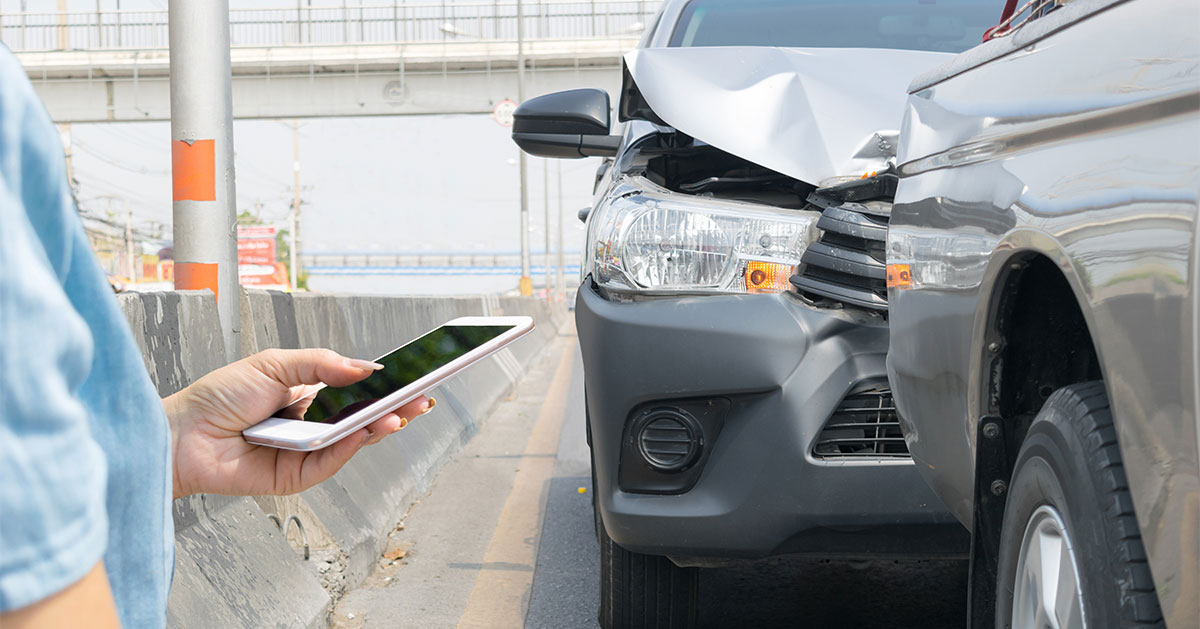

Third party only car insurance is cheaper monthly. Comprehensive car insurance is broader. Which one actually saves you money depends on what happens during the policy year. If nothing goes wrong, third party only saves you premium every month. If your car is stolen, damaged, or written off, comprehensive pays for the repair or replacement and third party only doesn’t. The real question is whether the premium saving over time outweighs the risk of self-funding a potential loss. For most drivers with cars above R50,000 in value, comprehensive is usually the economically sensible choice.
| Quick answer • Third party only: cheaper monthly, protects only against damage you cause to others. • Comprehensive: higher monthly, covers theft, damage, fire, and third-party. • A single theft or collision can cost tens or hundreds of thousands. • Comprehensive usually pays for itself on the first significant claim event. • Third party only suits very low-value cars or owners with substantial savings. |
What each tier covers
Third party only
Protects against damage you cause to other parties:
- Damage to other cars you hit
- Damage to third party property (walls, fences, signs)
- Injury claims against you from other parties
Doesn’t cover:
- Damage to your own car (in any event)
- Theft or hijack of your car
- Fire damage to your car
- Storm, hail, or flood damage to your car
Comprehensive
Covers everything third party only does, plus:
- Theft and hijack of your car
- Collision damage to your car (your fault or no-fault)
- Fire damage
- Storm, hail, and flood damage
- Malicious damage by identified parties
- Windscreen and glass breakage
What you’ll learn
- The break even analysis of premium vs loss exposure
- When third party only genuinely saves money
- When comprehensive is the economically sound choice
- How the maths works with different car values
- Common decision mistakes
The break-even analysis
Third party only saves premiums every month. Comprehensive pays out on loss events. The break-even point is where the premium savings from third party only equal the expected loss, you’d have funded yourself:
- Annual premium saving of R6,000 (R500/month) on third party only vs comprehensive
- Over 5 years = R30,000 saved
- If you have one R120,000 loss in those 5 years, third party only has cost you R90,000 (loss minus premium saving)
The economics depend on the probability of a loss and the likely size of the loss. For most drivers, a single loss event in 5-10 years is a real possibility, and the loss size can dwarf the premium saving.
When third party only saves money
- Car value is very low (say, under R40,000)
- You have substantial savings to fund a total loss
- You’re comfortable self-insuring the theft and damage risk
- Claim frequency in your area and for your profile is very low
- You drive very little and the exposure is limited
Even here, the third-party liability protection is essential, a single at-fault accident causing serious injury to another party can create a six-figure liability claim. Don’t drive without at least third party only.
When comprehensive is the better value
- Car value is above R50,000- R60,000
- You couldn’t comfortably fund a total loss from savings
- You’re in a higher theft-risk area
- You drive in high-traffic conditions (higher collision probability)
- Your car is financed (the loan needs to be settled even if the car is lost)
Worked example: mid-range car
2022 VW Polo, market value R210,000, moderate driver profile:
| Scenario | Third party only | Comprehensive |
| Monthly premium | ~R380 | ~R1,100 |
| Annual premium | R4,560 | R13,200 |
| Annual saving with TPO | R8,640 | , |
| If car is stolen: you pay | Full R210,000 | Excess only |
| 5-year premium saving | R43,200 | , |
| Break-even: savings = car value | 24+ years claim-free | , |
Third party only only pays off if you go 20+ years without a theft or total loss. For a car likely to be on the road for 7-12 years, comprehensive is almost always the sensible choice.
Worked example: low-value older car
2012 hatchback, market value R35,000:
| Scenario | Third party only | Comprehensive |
| Monthly premium | ~R220 | ~R450 |
| Annual premium | R2,640 | R5,400 |
| Annual saving with TPO | R2,760 | , |
| If car is stolen: you pay | R35,000 | Excess only |
| Break-even: savings = car value | ~13 years | , |
For this car, third party only is more defensible. The replacement cost is manageable, and the annual premium difference is meaningful relative to car value. Some owners of low-value cars rationally choose third party only. However, theft risk remains, a R35,000 loss is still a loss.
What’s usually cheaper: the middle ground
Some insurers offer third party fire and theft, a middle tier:
- Covers third party liability
- Covers theft and hijack of your car
- Covers fire damage
- Doesn’t cover accidental damage (collisions, storm, your own fault)
Useful for cars where theft is the main worry but premium is tight. Askyour insurer whether a third party fire and theft option suits your situation.
Shortfall cover matters here
If your car is financed, third party only is usually a bad idea:
- Car is stolen or written off
- Third party only pays nothing towards your loss
- You still owe the bank the full outstanding balance
- You now have no car and full debt
Comprehensive with shortfall cover (or comprehensive that includes shortfall) protects both the car’s value and any balance owed. Most finance houses require comprehensive cover as a loan condition for this reason.
Common cover tier mistakes
- Going third party only on a car worth R200,000+ to save premium
- Not realising third party only doesn’t cover your own car at all
- Assuming third party only covers theft (it doesn’t)
- Financed cars on third party only (usually a loan breach)
- Keeping comprehensive on a car worth less than R30,000 when third party only would be reasonable
Practical ways to reduce premium without downgrading
Instead of downgrading to third party only, consider:
- Higher voluntary excess (big premium saving, still keeps comprehensive)
- Review and remove unused extras
- Install an approved tracker
- Move to a safer parking arrangement
- Choose decreasing premiums (comprehensive only)
- Bundle multiple policies at the same insurer
These approaches keep comprehensive protection while reducing the monthly bill.
Real world example
A young professional in Pretoria had a R280,000 vehicle and felt the comprehensive premium (R1,650/month) was too high. She switched to third party only (R420/month) to save R1,230/month. Six months later the car was stolen from her complex. The claim paid nothing on theft because she was on third party only. Her total premium saving over 6 months: R7,380. Her loss: R280,000. The premium saving evaporated entirely against the loss. Had she stayed comprehensive or considered higher voluntary excess as an alternative to downgrading, she’d have had a payout less excess. Lesson: don’t downgrade cover on high-value cars to save premium, find other levers.
Frequently asked questions
Is third party only legal?
Yes. Third party only is a valid legal cover tier. It meets the legal/financial purpose of protecting against liability to others. It just doesn’t protect your own car.
Can I switch from comprehensive to third party only mid-policy?
Yes, but consider carefully. The premium drops, but so does the protection on your car. Make sure you’re informed about the trade-off before switching.
What’s the smallest car worth insuring comprehensive?
Usually around R50,000- R60,000 in value. Below that, some owners rationally choose third party only. Above that, comprehensive typically makes sense. The car value and your ability to self-fund a total loss determine the answer.
Does third party only cover me if I’m hit by someone else’s car?
No. Third party only protects against damage you cause to others, not damage others cause to your car. Without comprehensive, a no-fault accident leaves you to pursue recovery from the at-fault driver directly, which is slow and uncertain.
Is there a cover tier between third party only and comprehensive?
Yes, third party fire and theft in some products. Covers third-party liability plus theft and fire on your car, but not collision damage. A middle-ground option for specific situations.
Summary
- Third party only is cheaper but doesn’t cover your own car
- Comprehensive covers theft, damage, storm, fire, and third-party
- For cars above R50,000, comprehensive usually saves money over time
- For very low-value cars, third party only can suit
- Never drive without at least third party only — liability exposure is too big
How your insurer can help
If you’re comparing different levels of cover, it’s worth contacting your insurer to explore your options. Ask for quotes on comprehensive, third party only, third party, fire and theft cover (where available). This will help you compare premiums, understand what’s included, and make an informed decision about which option best suits your needs and budget.
