
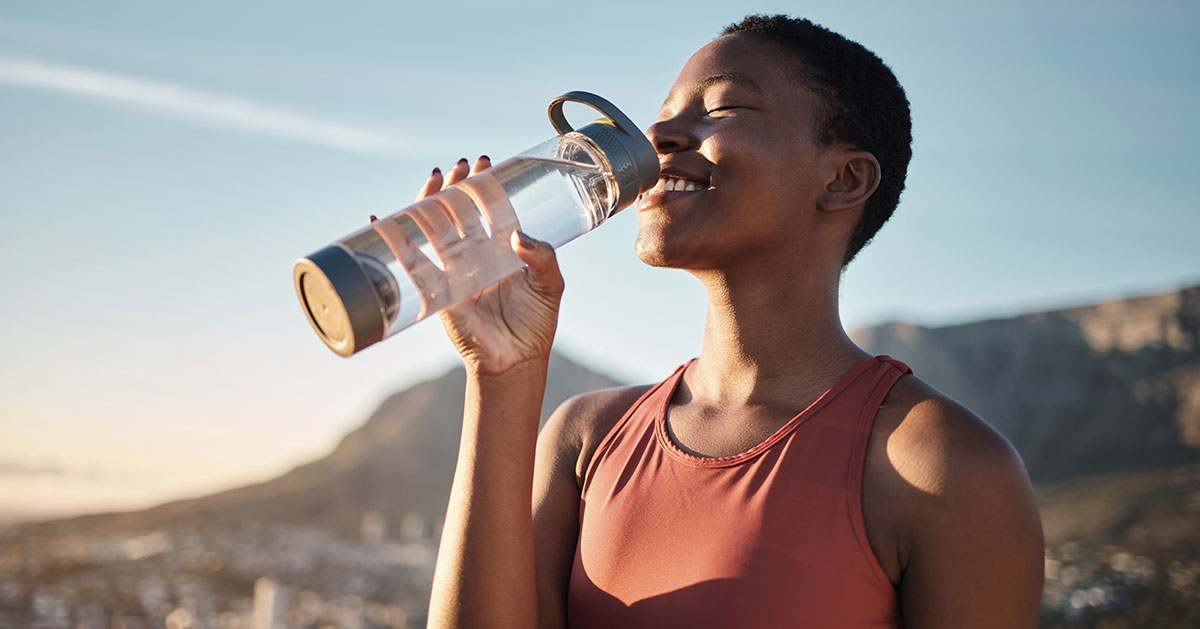
We’ve all heard it: ‘Drink 2 litres of water every day.’ It’s been drilled into us by school, wellness blogs, gym trainers and health magazines. But is that advice scientifically accurate or just a catchy slogan?
Recent studies and expert opinion suggest that mandating ‘2 litres for everyone’ is overly simplistic. In reality, your hydration needs vary by many factors: Climate, body size, diet, activity, health status and even the water you get from food. In this post, we’ll explain why 2 litres isn’t a universal rule, how your body really signals hydration, and practical tips for staying optimally watered, without overdoing it.
Why the ‘2 litres a day’ advice stuck
The origin of ‘8 × 8/2 litres’
The ‘eight 8-ounce glasses’ rule (≈ 2 litres) is widely attributed to mid-20th-century nutrition texts. Over time, it was simplified and popularised, often forgetting that much of a person’s water intake comes from food and other drinks.
Also, some older guidelines suggested 2.5 litres total water (from drinks plus food) for adults, but many readers misinterpreted it as 2 litres of plain water alone.
Newer research challenges the ‘1‑size‑fits‑all’ rule
A large study involving over 5,600 individuals from 23 countries used a method called water turnover measurement (with deuterium isotopes) to see how much water people’s bodies process. It found wide variation and showed that the ‘2 litres for everyone’ advice often overshoots what many people actually need.
According to the research:
- Men aged 20–35 had an average water turnover of 4.2 litres per day (but that isn’t pure drinking water).
- For many people in typical climates, once you subtract water from food and natural metabolic production, the amount of drinking water needed is closer to 1.3 to 1.8 litres per day.
Thus, the study’s authors conclude that a blanket ‘2 litres a day guideline isn’tsupported by data. Hydration needs must be individualised.
Why your actual water needs vary so much
Here are the key factors that make a big difference:
| Factor | How does it change water needs |
| Climate/temperature/humidity | Hot, humid, arid or high-altitude climates increase sweating and water loss, thus higher demands. |
| Physical activity/exertion | More movement, exercise or labour = more sweat = more water needed. |
| Diet (food and beverages) | Many fruits, vegetables and foods (soups, stews) contribute water. Some caffeinated drinks also add fluid. |
| Body size and composition/age | Larger bodies or people with more lean mass may have higher needs; older people tend to need less. |
| Health conditions/medications | Illness (fever, diarrhoea, vomiting), kidney disease, and diuretics (some medicines) all affect fluid balance. |
| Pregnancy/breastfeeding | Additional fluids are needed to support foetal/milk production. |
| Environment & acclimatisation | People living where heat is buffered by airconditioning might lose less fluid and thus need less extra intake. |
Because of all those factors, 2 people of the same gender might require very different amounts on the same day.
Risks of aiming blindly for 2 litres (or more)
Overhydration and hyponatraemia
Drinking too much water (especially in a short period) can dilute sodium in the blood, causing hyponatraemia, which is potentially serious and even life-threatening in extreme cases.
Although such cases are rare in healthy adults, they provide a cautionary tale: Water is a nutrient like any other; there’s such a thing as ‘too much.’
Frequent bathroom trips/discomfort
If you force 2 litres when your body doesn’t need it, you may waste water (and energy) peeing it out, feeling bloated or simply be annoyed by constant trips to the loo.
Ignoring your body’s signals
Strict adherence to a fixed goal (2 litres) can distract you from better immediate cues: Thirst, urine colour, and physical signs of hydration.
How to tell if you’re drinking the right amount
Here are better, evidence-based strategies:
- Use thirst
Your body’s thirst mechanism is a fairly reliable guide. Sip when you feel thirsty. - Monitor urine colour
Light yellow (like pale straw) generally means good hydration. Dark yellow = you might need more. Very clear (constantly) could suggest overdoing it. - Consider day-to-day variation
Some days (hot, active, sick), you’ll need more. Other days, especially in cooler seasons or with low activity, you’ll need less. - Track during exercise/heat
Add extra when sweating a lot, like before, during, and after activity. - Include water from food and drinks
Don’t count only plain water bottles. Soups, watery fruits (watermelon, cucumber), teas and the like all contribute. - Watch for signs of dehydration or overhydration
- Dehydration signs: Fatigue, headaches, dry mouth, darker urine.
- Overhydration signs: Swelling, nausea, confusion, very clear urine, and frequent urination.
If you’re ever unsure, especially if you have medical conditions, experience heat stress, or take medications, ask a physician or dietitian.
Sample guideline (not a rigid rule)
Based on current evidence and practical experience, here’s a rough daily guideline (for a healthy adult in a moderate climate):
- Women (not pregnant): 1.3 to 1.8 litres of drinking water (plus water from food)
- Men: 1.5 to 2.2 litres of drinking water (plus water from food)
- Adjust upward if you’re active, hot, pregnant, etc.
Again: These are starting points, so your ideal amount might fall outside these ranges sometimes.
South African spotlight
- In KwaZulu-Natal, Mpumalanga, Limpopo, and other warmer provinces, high humidity or heat can drive up sweat loss, so many people think ‘2 litres isn’t enough.’ In those contexts, extra water is justified.
- But in cooler inland areas (like parts of the Free State) or in winter, 2 litres might be overkill for many.
- Many South Africans get hydration from traditionally water rich foods (soups, stews, many fresh fruits and vegetables), which reduces the amount of drinking water needed.
In short, a piece of advice for all of South Africa doesn’t make sense, local climate and diet matter.
Summary and what to do instead of blindly chasing 2 litres
- The ‘2 litres a day’ rule is a general guideline, not a hard law. Recent research shows wide individual variation.
- Hydration needs depend on climate, activity, diet, body size, health, and more.
- Use better cues: Thirst, urine colour, and adjustments for extra sweat or heat.
- Don’t stress if you don’t hit exactly 2 litres, aim for consistency and listening to your body.
The King Price tie
Drink when you’re thirsty, stay alert to your body’s signals and don’t let cookie-cutter health rules drown your common sense. Want a smarter way to track your hydration and protect your assets? Pair your healthy habits with a King Price home contents insurance policy because while water intake is flexible, peace of mind should be watertight. Get a quote by clicking here or send a WhatsApp to 0860 50 50.
FAQs
Q: Is it dangerous to drink less than 2 litres?
A: Not necessarily, if your thirst, urine colour and bodily signals suggest you’re well hydrated, lower intake may be fine. But prolonged underhydration should be monitored.
Q: Do teas, coffee and juices count?
A: Yes, most non-alcoholic beverages count toward your total fluid intake. Even caffeinated drinks contribute, though don’t overdo sugar. (The Nutrition Source)
Q: Should I always drink less in winter?
A: Generally yes, you’ll sweat less and lose less fluid, so your extra drinking water needs drop. But still drink according to thirst.
Q: How much extra water do I need when exercising?
A: It depends on how much you sweat and for how long. As a rule, sip before, during and after exercise. For long/hot sessions, more frequent intake is wise.
Q: When should I see a doctor about hydration?
A: If you have persistent signs of dehydration (dry mouth, dizziness, dark urine), or overhydration (swelling, confusion), or if you have a medical condition (kidney disease, heart issues), consult a professional.