
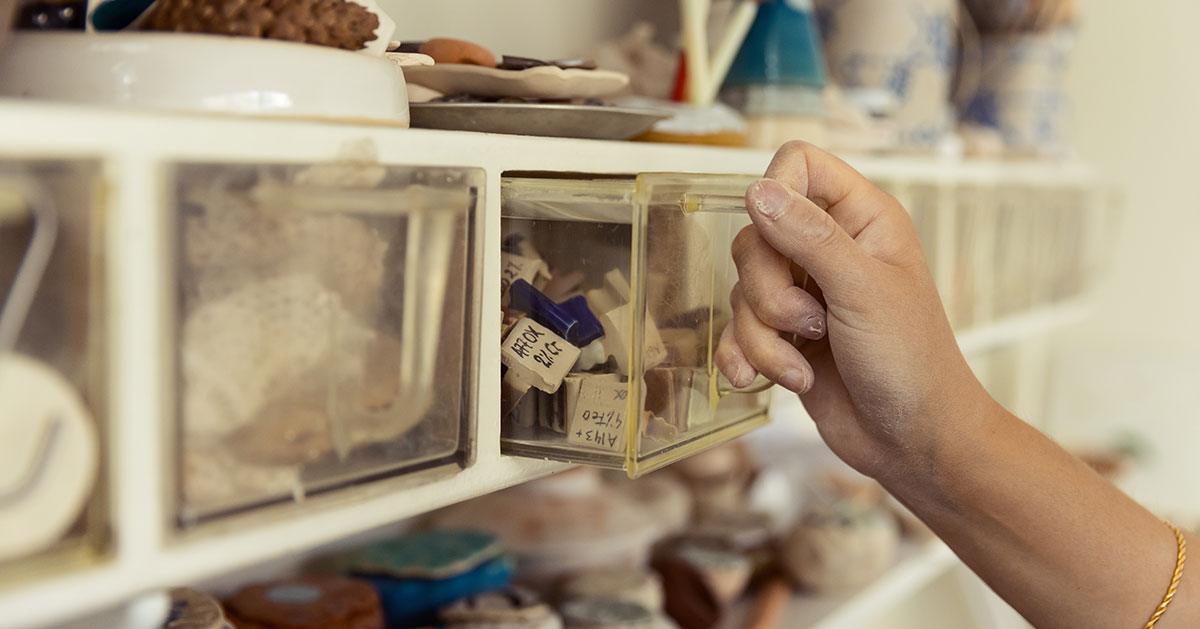

Every home has at least 1 place that makes no sense. A drawer. A cupboard. A box in the garage. Somewhere things go, not because they belong there, but because they might be useful 1 day.
No one knows exactly when that day will be. But throwing the item away feels reckless.
What if this is the moment you regret it? So, it stays.
There’s usually logic behind it, even if it’s hard to explain.
That cable from an old phone. The remote that doesn’t belong to anything anymore. Extra screws from furniture you assembled years ago and absolutely don’t want to reassemble. You keep them because the future version of you might need them. And the future you feel very judgmental.
The emotional support drawer
Most people don’t call it that, but that’s what it is.
It’s where batteries live long past their expiry date. Where keys go that don’t unlock anything you currently own. Where manuals for appliances you no longer recognise age quietly.
Opening this drawer brings comfort. Not because it’s organised, but because it represents preparedness. If something happens, you’ve got something. Even if you’re not sure what it’s for.
Some items stay for purely emotional reasons. A charger for a device you no longer have. A spare button that’ll never be sewn on. A piece of wood that ‘could be useful’. You don’t want to admit it, but throwing these things away feels like tempting fate.
‘I’ll know when I need it’ is a powerful belief
People who keep things ‘just in case’ aren’t disorganised. They’re optimistic.
They believe future problems can be solved with past leftovers. And sometimes, they’re right. Finding the exact cable you need after years feels like winning a small lottery.
That moment alone justifies keeping everything else. At least emotionally. There’s also something deeply human about preparing for imaginary scenarios.
You don’t know what’s going to happen, but you want to feel ready. Holding onto things creates the illusion of control. A sense that when life throws something unexpected at you, you won’t be completely unprepared. Even if the preparation is vague.
The fine line between prepared and overwhelmed
The problem starts when ‘just in case’ becomes ‘just everywhere’. Cupboards stop closing properly. Drawers become archaeological sites. You forget what you own, which defeats the point of keeping it in the first place. Preparedness is comforting. Clutter is stressful. The difference is usually quantity, not intention.
Some people solve this with ruthless decluttering. Others rotate their ‘just in case’ collections every few years. Most people simply shove things further back and hope for the best. There’s no right answer. Just different coping strategies.
Why this habit isn’t actually silly
Keeping things isn’t about mess. It’s about readiness. Life is unpredictable. Things break. Plans change. Emergencies happen. Wanting backup is sensible. The key is knowing where preparation ends, and stress begins.
When backup needs backup
There are limits to what a drawer of mystery items can fix. Some situations need more than spare cables and leftover parts. They need proper support. Planning. Cover. Something you don’t have to dig for when things go wrong.
That’s where insurance fits in, not as clutter, but as intentional backup. It’s preparation you don’t have to store, sort or remember. It’s there for the moments your ‘just in case’ collection can’t handle. Make sure your backup plan doesn’t need its own storage space…
FAQs
Is keeping things ‘just in case’ normal? Yes. Most people do it to feel prepared.
Why is it hard to throw things away? Because of emotional attachment and fear of future regret.
Does clutter increase stress? For many people, yes, especially when it becomes unmanageable.
Is being prepared the same as being anxious? No. Preparation becomes anxiety when it adds pressure instead of relief.
How does insurance help with preparedness? It provides structured backup without physical clutter.
