

Most home maintenance problems don’t announce themselves with sirens and flashing lights. They arrive quietly. Politely, even. A drip you ignore. A gutter you keep meaning to check. A ‘temporary’ fix that becomes part of the house’s personality.
This isn’t about being careless. It’s about being busy. Homes keep doing their thing, right up until the moment they very much don’t.
The good news is that many expensive repairs start small. The bad news is that they stay small only if you notice them.
The drip that didn’t feel urgent
A small leak rarely feels dramatic. It drips politely. It behaves itself. It doesn’t flood anything or ruin your day. So, you ignore it.
Behind the scenes, though, moisture is spreading. Wood is weakening. Mould is getting comfortable. By the time a stain appears on the ceiling, the leak has usually been living its best life for a while. Fixing a drip early is quick and affordable. Fixing the damage it causes later is neither.
Gutters we only remember when it rains properly
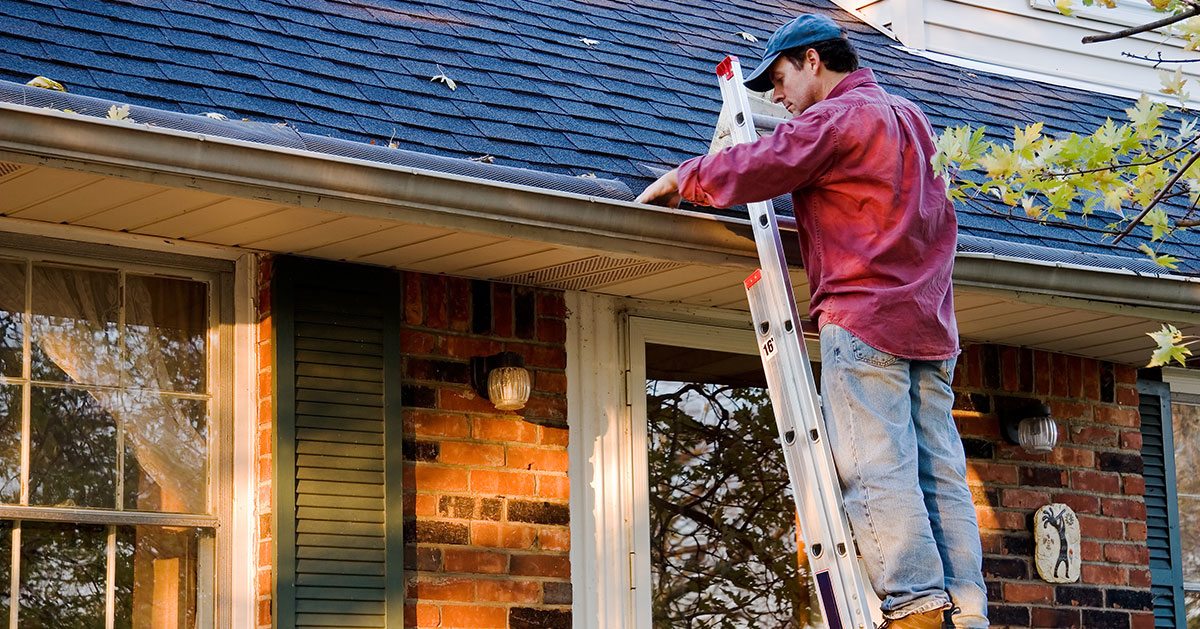
Gutters are experts at being forgotten. They sit up there quietly, doing their job, until 1 day they don’t.
Leaves, dust and debris build up slowly. Everything seems fine until heavy rain arrives and water starts spilling over the sides, like it’s looking for a new route through your house. Suddenly, walls are wet, foundations are unhappy, and ceilings are under pressure. All because of a chore that takes less time than making a cup of tea.
Roof problems that wait for bad timing
Roofs are very good at hiding issues. A cracked tile or loose sheet doesn’t always make itself obvious. You usually only notice when water finds a way inside. And it never chooses a convenient place. It’s always above the couch, the bed or something expensive.
Checking your roof after storms can catch small problems early. Waiting until you see damage indoors usually means the issue has already escalated.
Drains that cope… Until they stage a protest
Slow drains are easy to tolerate. The water still goes down, eventually. So, you carry on with life. Hair, grease and debris build up quietly. Then 1 day, the drain gives up completely. And when it does, it does so loudly, dramatically and at the worst possible time. Clearing drains early avoids overflows, smells and the kind of cleanup no one wants to deal with after a long day.
DIY bravery that outlives its welcome
People are resourceful. We fix things. We make a plan.
The trouble starts when a quick DIY solution becomes permanent. Tape replaces proper sealing. A temporary patch becomes structural. A fix meant to last a weekend is still going strong 3 years later. DIY isn’t the enemy. Knowing when to call in a professional is the real skill, especially when safety or long term damage is involved.
Small cracks we choose to emotionally ignore
Cracks in walls or ceilings often get brushed off because they look harmless. And many of them are.
But cracks that grow, spread, or suddenly appear after heavy rain can be signs of movement or moisture problems. The key isn’t panic. It’s observation.
Keeping an eye on changes helps you tell the difference between cosmetic quirks and issues that need attention.
Skipping checks because everything feels fine
When a home is working, it’s easy to assume everything behind the scenes is also fine. Quick checks make a big difference. A look under the sink. A glance at the ceiling. A walk around the outside of the house. These moments don’t take long, but they can save you from discovering problems only once they’ve become expensive.
Why these mistakes are so common
None of this happens because people don’t care. It happens because maintenance isn’t exciting. It doesn’t shout. It doesn’t demand attention. Homes fail quietly at first. And by the time they get loud, the cost is higher, and the timing is always terrible!
Awareness isn’t about perfection. It’s about noticing patterns and acting before small issues grow into big ones.
Where insurance fits into your home maintenance
Insurance isn’t a substitute for maintenance. It’s there to protect you when unexpected damage happens, not when problems are left to develop over time.
Buildings insurance helps cover damage caused by sudden, unforeseen events, and not by lack of maintenance. So, keep that in mind, peeps! Taking care of your home helps ensure that your insurance works as intended when something genuinely unexpected happens.
King Price understands real homes and real life. Insurance works best alongside good habits, not guilt.
FAQs
What’s the most common home maintenance issue? Leaks and water-related damage are among the most common problems.
How often should gutters be cleaned? Ideally before and after heavy rain seasons, or more often if trees are nearby.
Are small leaks really a big deal? Yes. They often cause hidden damage long before you see the signs.
Is DIY always a bad idea? No. But some jobs need professional expertise to avoid bigger problems later.
Does insurance cover maintenance issues? Insurance covers sudden damage, not wear and tear or gradual neglect.
