
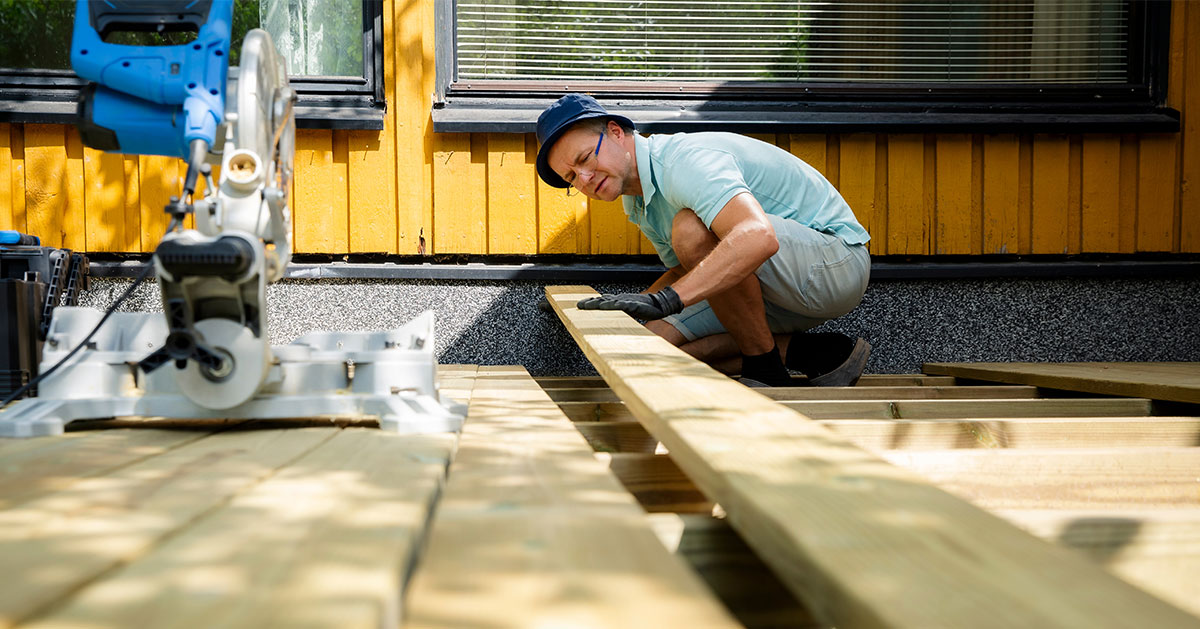

DIY confidence is a strange thing. It arrives suddenly, without warning, and with no evidence to support it. You’re not trained. You’re not experienced. But you’re convinced this problem is manageable. Possibly even enjoyable. At this point, you feel capable. Calm. Slightly superior to the problem in front of you. This feeling won’t last.
Phase 1: Optimism without info
At the beginning, the task feels contained. Clear. Logical.
You stand there assessing the situation, mentally estimating time and effort. ‘This should be quick. ’ You haven’t touched anything yet, so everything still works. That’s why it feels safe. This is the phase where confidence is highest, and understanding is lowest.
Phase 2: Preparation that feels productive
You gather tools. Some are correct. Some are hopeful substitutes. You open cupboards. You line things up neatly. There’s a sense of progress, even though nothing has actually changed yet.
This phase is comforting. It feels like you’re doing the right thing, even if you’re not entirely sure what that thing is.
Phase 3: The first unexpected resistance
This is where reality gently introduces itself.
A bolt doesn’t turn. A panel won’t budge. A piece doesn’t look like it did in your head. You pause. You try again. Slightly harder this time.
Confidence doesn’t disappear yet. It just becomes quieter.
Phase 4: The moment everything is in pieces
There’s always a point where the original problem no longer exists, but the solution hasn’t arrived yet. The tap is off. The door is removed. The shelf is lying on the floor. The space looks worse than when you started. This is the most dangerous phase, because turning back now would require admitting defeat, and that feels premature.
Phase 5: Problem-solving gets imaginative
This is where creativity takes over.
You adjust. You improvise. You convince yourself that a slight angle is intentional. You solve problems in ways that weren’t part of the original plan. Nothing is textbook anymore. It’s experiential.
You’re not aiming for perfection. You’re aiming for ‘usable’.
Phase 6: Confidence quietly exits
The job is technically done, but something feels off.
You test it. Then you test it again. You notice details you didn’t want to notice. A sound. A movement. A feeling that suggests this may not be the final version. This is when optimism makes its exit, without a fuss.
Phase 7: Perspective arrives
With distance comes clarity… You realise the task was more complex than expected. The confidence curve peaked early. The real skill wasn’t fixing the thing, but knowing where the line was.
This isn’t regret. It’s learning.
Why this curve keeps repeating
People don’t DIY because they’re reckless. They DIY because they’re capable in many areas of life. Fixing something yourself feels empowering. It saves time. It saves money. It builds confidence. The issue isn’t trying. It’s staying too long in a situation that’s moving beyond your control.
Where the sensible line usually sits
DIY works best when mistakes are small and reversible. Painting, replacing fittings, tightening things, adjusting, improving. These are manageable. Electricity, plumbing, structural changes and anything involving safety deserve more caution. Not because people can’t learn, but because consequences escalate quickly.
When confidence isn’t enough on its own
Most DIY projects end with either pride or a good story. Sometimes both.
But every now and then, a small project triggers a bigger chain reaction. Water goes where it shouldn’t. A small mistake affects more than 1 room. Something that felt contained suddenly isn’t.
That’s usually the point where the mindset shifts. It’s no longer about fixing something yourself. It’s about limiting the impact and getting life back to normal as quickly as possible.
This is where insurance becomes relevant, not as a lecture or a warning, but as support. It steps in after the moment has passed, once the learning curve has done its thing and the consequences need dealing with.
Good insurance doesn’t stop you from trying. It simply means that if curiosity turns into damage, you’re not left carrying the full weight of it alone.
FAQs
Is DIY confidence a bad thing? No. It encourages learning and independence. Just don’t be too confident…
Why do DIY projects feel harder halfway through? Because that’s when complexity becomes visible.
How do I know when to stop? When safety, structure or major systems are involved.
Is it normal to feel unsure after finishing a DIY project? Yes. Reflection is part of learning.
Does insurance help if a DIY project goes wrong? Insurance may help with resulting damage, depending on the situation. Chat to the king for more clarity.
