

Let’s not overthink it. Just answer honestly.
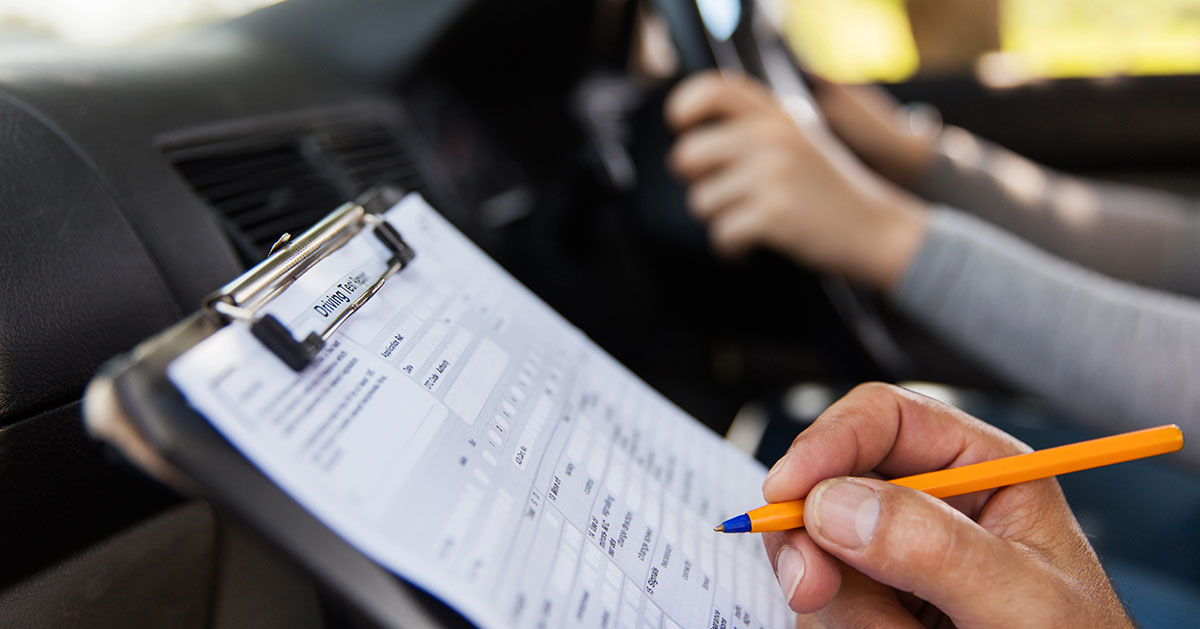
If a traffic officer climbed into your car tomorrow, clipboard ready, and said, ‘Right, full K53 test’, how confident would you feel? You know how to drive. You’ve been driving for years. But something about the words ‘K53 test’ makes your shoulders shudder and your internal voice whisper, ‘Okay, focus… This is just alley docking’.
Not because you’re a bad driver. Because experience has changed you.
The K53 method did its job
Before we get into the laughs, let’s be clear. The K53 method matters. It teaches structure, discipline and awareness. It gives new drivers a clear framework for safe driving. Every South African driver starts the same way. Same rules. Same test. Same nerves. The K53 isn’t the problem. It gave us a common language on the road and a common fear. But then real life happens.
Rolling stops we swear are fine
You slow down. You look properly. You see nothing. You move on.
Safe? Usually. K53 verdict: Fail.
In the test, your wheels must come to a complete stop. No creeping. No negotiating. No ‘but there was no one’. The car must stop like it’s posing for a photo.
Many experienced drivers would lose marks here within the first 5 minutes.
Mirror checks that happen internally
You absolutely checked your mirrors. You just didn’t swing your entire head around like you were trying to spot a helicopter.
K53 verdict: Fail.
The examiner needs to see the movement. A quick glance doesn’t count, even if you genuinely saw everything you needed to see. In K53 land, subtlety is suspicious. This is where most seasoned drivers would fail quietly and respectfully.
Hands that wander
1 hand on the steering wheel. 1 hand adjusting the radio. Or the aircon. Or holding a coffee.
Comfortable? Yes. K53 verdict: Fail.
During the test, both hands belong on the wheel at all times, in the correct positions (2 and 10, peeps… 2 and 10!). No multitasking. No hydration breaks. No expressive hand gestures during traffic. Experienced drivers would be surprised by how often their hands betray them.
Indicating when it makes sense, not when the book says so
You indicate when there’s someone to indicate for. Logical. Efficient.
K53 verdict: Fail.
In the test, you indicate every single time, even if the road is empty and you’re fairly sure no one has lived there since 1994. Rules don’t care about context. They care about consistency. Experience teaches efficiency. K53 rewards obedience.
Yellow lights that we treat optimistically
You’re close enough. You know your car. You know the timing.
K53 verdict: Fail.
Yellow means prepare to stop, not ‘accelerate politely’. Don’t even think about tapping the ceiling of your car in celebration when you make it across on a yellow (we see you, Millennials!)… Even if you make it safely through, the decision itself can cost you. Real driving teaches judgement. The K53 test teaches caution.
Gap judging instead of waiting for perfection
Experienced drivers know when a gap is safe. They’ve merged a thousand times.
K53 verdict: Maybe fail.
The test prefers generous gaps and zero pressure. If it looks rushed, even if it wasn’t dangerous, you risk losing points. Confidence is earned later. In the test, hesitation is safer.
None of this makes you a bad driver
This is the important part.
These habits don’t exist because drivers are careless. They exist because drivers adapt. Experience turns conscious effort into instinct. It smooths edges. It speeds up decision-making. The K53 test isn’t designed to measure experience. It’s intended to confirm control, awareness and rule knowledge. 2 different goals. Both valid.
Even if you’d lose points today, the K53 driving test still shaped you. It taught you how to observe, how to think and how to respect the road. Those lessons are still there, just layered under years of lived experience. You didn’t forget the rules. You learned how to apply them in real life.
Where insurance fits into all of this
Real driving lives in the space between textbook rules and real-world situations. That’s where most bumps, scrapes and mistakes happen. Insurance exists for that space. Not for perfect driving, but for human driving.
The K53 method gave Saffas a solid start. Experience added confidence, judgement and a few relaxed habits. If you had to redo the test today, you might not pass perfectly, but you’d pass the reality check.
King Price understands that South Africans drive with experience and adaptability. Insurance is there to support you when real life doesn’t follow the manual.
FAQs
Is the K53 driving test still important? Yes. It teaches essential foundational skills.
Do experienced drivers still follow K53 rules exactly? Often not exactly, but the principles still guide safe driving.
Would most seasoned drivers pass the K53 again? Many would lose points on technicalities, not safety.
Does experience make drivers careless? No. It usually makes them more aware and adaptive.
Why is insurance important even for good drivers? Because unpredictable situations happen, regardless of experience.
