
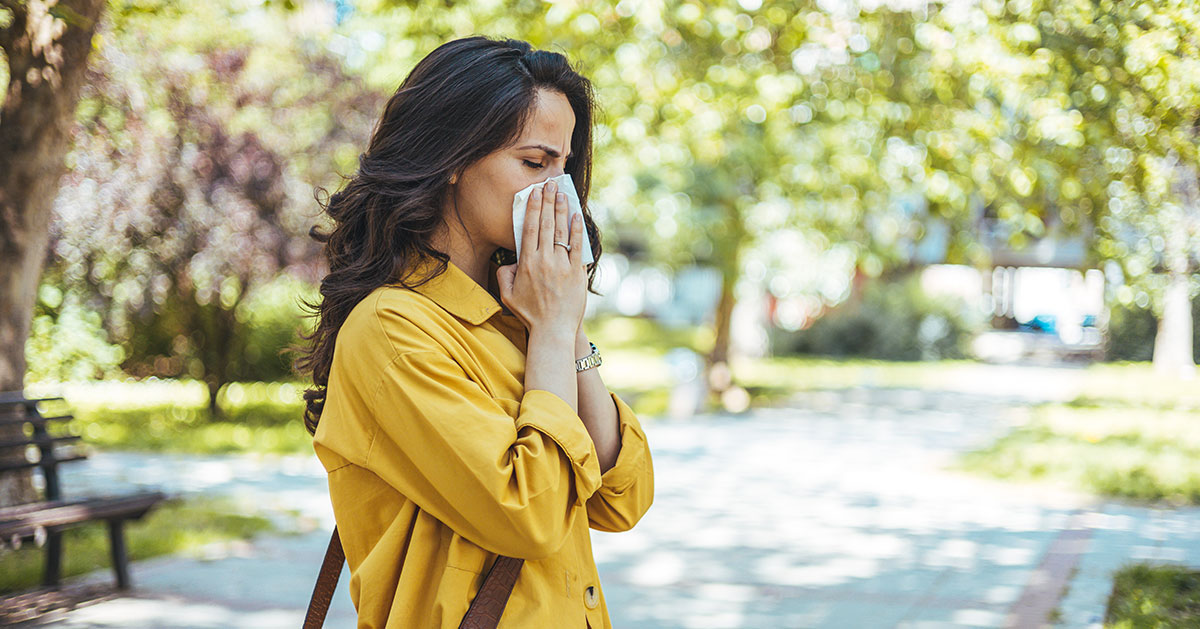
Histamines. Antihistamines. Allergy season. That time of year when your nose behaves badly, your eyes water like a leaking JoJo tank, and your throat gets scratchy enough to make you wonder who replaced your voice with sandpaper. If you live anywhere near Gauteng in spring, you already know the drill. But what’s actually happening inside your body when allergies strike?
This guide keeps things simple, honest, and proudly South African. You’ll get a clear explanation of what histamines do, how antihistamines step in, and how you can manage the chaos before your face stages a full protest.
What histamines are and why your body produces them
Even though histamines sound like troublemakers, they actually play an important role in your immune system. They’re chemical messengers that your body releases when it senses something it believes might cause harm. When your immune system spots something suspicious, it uses histamines to trigger a defence response. This leads to things like swelling, sneezing, itching, or redness. While these reactions can be uncomfortable, they’re part of your body’s strategy to protect you.
Histamines are useful when the threat is real. When the threat is something harmless, like pollen or pet hair, that’s where things go pear-shaped.
How allergies trigger histamine release
Allergies happen when your immune system mixes up harmless substances with dangerous ones. Your body reacts as if something tiny and fluffy is a serious enemy. The moment pollen, dust, or pet dander enters your system, the immune response kicks off. It starts by producing antibodies, which then activate special cells called mast cells. These mast cells release histamines that move through your nose, eyes, skin, and airways. This results in sneezing, itching, swelling, and general discomfort. Your body is convinced it’s saving your life, even though it’s really just overreacting to something you walked past.
Where histamines act in your body
Histamines don’t stay in 1 place. Once released, they interact with receptors in several parts of your body. They’ve a strong effect in areas like your nose, sinuses, eyes, lungs, skin, and gut. When histamines reach these spots, the tiny blood vessels widen, and the tissues swell. This causes blocked noses, watery eyes, tight chests, itchy skin, or even stomach cramps. Because histamines go wherever the immune system sends them, symptoms can show up in more than 1 place at a time. That’s why allergy days feel like your whole body joined the drama.
What antihistamines do inside your body
Antihistamines help by blocking the receptors that histamines need to attach to. If histamines can’t latch on, they can’t trigger the symptoms that make you feel miserable. Antihistamines don’t remove histamines from your body. They simply stop them from delivering their messages. Think of it like someone knocking at your door while you pretend you aren’t home. They can keep knocking, but nothing happens. This is why antihistamines work so well for symptoms like sneezing, itching, and watery eyes.
Types of antihistamines
There are 2 main types of antihistamines. The older ones, called first-generation antihistamines, work well but tend to make you very sleepy because they affect the brain. These are better taken at night when you don’t need to be alert. Newer options, known as second-generation antihistamines, target the histamine receptors more selectively and don’t usually make you tired. These are popular because they let you carry on with your day, go to work, drive safely, and still feel human.
When antihistamines help and when they don’t
Antihistamines work best when your symptoms are part of an allergic reaction. They can calm sneezing, itchy eyes, sinus irritation linked to allergies, or mild skin reactions. They help when you react to dust, pets, grass, or seasonal pollen. They don’t work when your symptoms come from a virus, such as a cold or flu. Those illnesses aren’t caused by histamines but by infections. This is why many people take an antihistamine for a cold and feel disappointed when nothing happens. The issue isn’t histamine, so the medicine doesn’t make a difference.
Common triggers that make histamines spike
Histamines spring into action when your immune system thinks something is wrong. Pollen is a major trigger, especially in South Africa, where windy seasons stir everything up. Dust mites, mould, and pet dander are also common problems. Some people react to insect bites or even strong scents like perfume or harsh cleaning products. Smoke is another big trigger here, whether from a braai, a fireplace, or a neighbour who believes winter is an Olympic event called ‘burning anything they can find’. Smoke irritates your airways and can set off histamine release quickly.
The difference between allergies and histamine intolerance
Although allergies and histamine intolerance look similar, they work differently. Allergies happen because your immune system overreacts. Histamine intolerance means your body struggles to break down histamine from food. When levels build up, you may experience headaches, itching, hives, stomach discomfort, or a runny nose. Foods like aged cheese, red wine, processed meat, fermented foods, and vinegar-based products have higher histamine levels. While histamine intolerance isn’t as common, it explains why some people react to certain meals even without having allergies.
Antihistamine side effects you should know about
Antihistamines are generally safe, but they can have side effects. Some people may experience dry mouth, dizziness, headaches, nausea, or blurred vision. First-generation antihistamines are more likely to cause sleepiness, which can be helpful at night but not ideal when you need to focus. Newer antihistamines have fewer side effects, although mild restlessness can happen. If you use chronic medication or have health concerns, speaking to a doctor or pharmacist first is always a wise move.
When to see a doctor for allergy symptoms
Most allergy symptoms can be managed at home, but there are times when you should get medical help. If your symptoms last for weeks or the medicine from the pharmacy does nothing, a doctor can help figure things out. If breathing becomes difficult, your skin swells suddenly, or food causes an intense reaction, seek help immediately. Breathing problems should never be ignored because they can become serious very fast. Persistent symptoms can also point to other conditions that need professional attention.
Why South Africans often confuse allergies with other conditions
South Africans often have trouble telling allergies apart from sinus infections or viral colds. Our climate, with its mix of dry winters, humid summers, pollen-heavy springs, and dusty roads, makes it easy to misread symptoms. Allergies usually come with itchy eyes, a runny nose, and sudden sneezing. Colds tend to bring body aches, fever, and thick mucus. Sinus infections often cause strong facial pressure and headaches. When the symptoms overlap, it’s normal to get confused, which is why checking with a doctor can be helpful when you aren’t sure.
How to manage allergies at home
You can manage allergies by reducing how often you come into contact with triggers. Keeping your windows closed on windy days helps. Showering after being outdoors removes pollen from your skin and hair. Vacuuming regularly keeps dust levels down. Washing your bedding every week helps reduce dust mites. Saline rinses clear your nose, while keeping pets off your bed helps if you react to fur. An air purifier is useful in dusty areas. Avoiding triggers is the most reliable way to control your symptoms before your body jumps into histamine mode.
The role antihistamines play in everyday health
Antihistamines help with more than just hay fever. They can ease chronic hives, allergic conjunctivitis, itching from certain conditions, or reactions to insect bites. They help you stay comfortable and carry on with the day without feeling like your face is working against you. For many people, especially during certain seasons, antihistamines are part of a simple routine that keeps symptoms under control.
How this links back to your insurance with King Price
Severe allergies can escalate fast. If you suddenly struggle to breathe or react to something unexpectedly, emergency help becomes essential. With the king’s emergency assist services, policyholders with the relevant cover have access to help when things take a turn. Whether it’s arranging urgent care or helping during scary moments, the king’s court is on standby. Your problem, no problem. It’s all part of keeping you safe and supported.
The king also helps protect the things you value through simple, affordable, royal cover options. Whether it’s your home, car, or portable possessions, you can count on us to guard your kingdom.
Ready for royal cover?
Life throws surprises at all of us. Allergies are 1 thing. Bigger emergencies are another. When you insure with King Price, you’re choosing cover that treats you like royalty. Get a quote by clicking here or send a WhatsApp to 0860 50 50.
FAQs about histamines and antihistamines
What triggers histamine release?
Your immune system releases histamines when it thinks something harmful has entered your body. Things like pollen, dust, mould, pets, or insects often trigger the response.
Do antihistamines stop allergies?
Antihistamines don’t prevent allergies. They only stop the histamine reaction that causes the symptoms.
Why do some antihistamines make you sleepy?
Older antihistamines cross into the brain and affect your alertness, which causes drowsiness.
Can I take antihistamines every day?
Many people do, but it’s best to speak to a healthcare professional if you have ongoing symptoms.
Are allergies dangerous?
Most allergies aren’t dangerous, but severe reactions can be life-threatening. Breathing trouble needs urgent medical care.