

Most risks don’t feel risky while you’re doing them. They’re normal. Familiar. Things you’ve done a hundred times without consequence. And that’s exactly why they’re easy to ignore.
Everyday life is full of small moments where nothing usually goes wrong. Until, 1 day, something does. Not dramatically. Just inconveniently enough to ruin your afternoon.
Candles that are ‘basically finished anyway’
Lighting a candle feels harmless. Calm, even. Especially when it’s almost finished, and you’re just popping out of the room quickly. That’s usually when candles decide to misbehave. Curtains shift. Air moves. Someone forgets. Candles don’t mean to cause problems, but they’re very good at doing so when left alone. It’s a small habit that carries a bigger risk than it feels like.
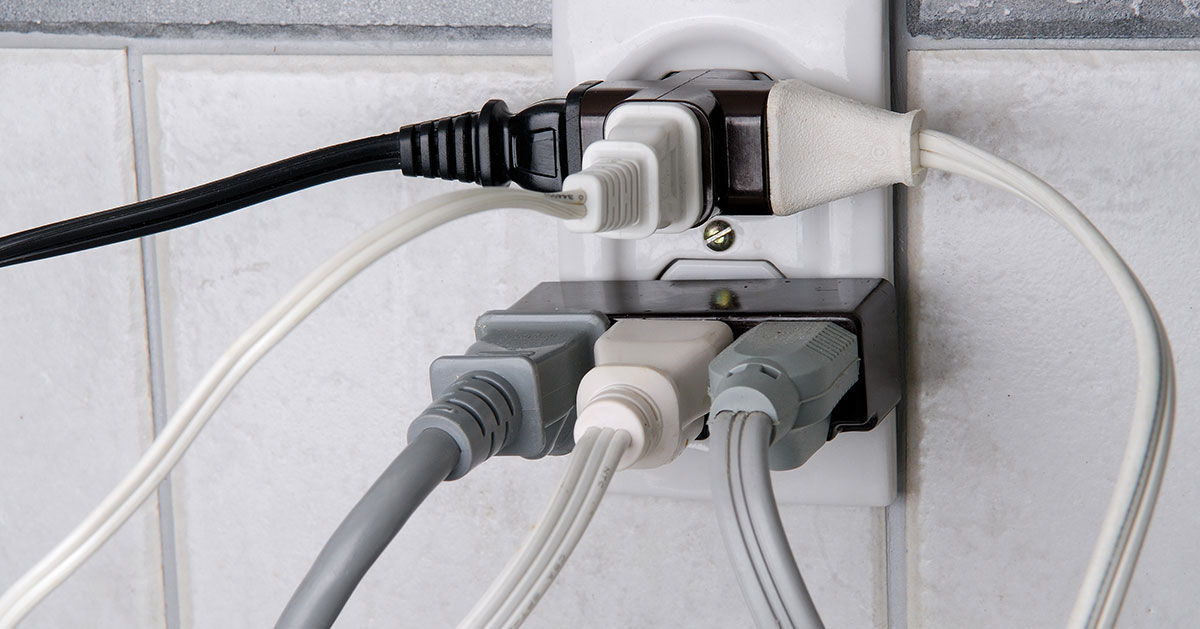
Plugs that are doing too much
Multi-plugs are the unsung heroes of modern life. They let you charge everything, all at once, with minimal effort. But overloading plugs, especially with heaters, kettles or high-powered appliances, puts strain on wiring that wasn’t designed for it. Nothing happens… Until something suddenly does. Unplugging what you’re not using is just the sensible thing to do.
Driving through puddles ‘just to see’
Every driver has done it. The puddle looks shallow. Manageable. Tempting. What you can’t see is what’s underneath. A pothole. A dip. Something deeper than expected. Best case, you get a splash and a story. Worst case, you damage your car or lose control. Water hides things well. Roads don’t forgive curiosity easily.
Leaving things on because it’s only for a bit
Leaving appliances running. Leaving taps dripping. Leaving doors unlocked because you’re coming right back. Most of the time, it’s fine. That’s why the habit sticks. But small oversights are often behind bigger incidents. The problem isn’t 1 moment. It’s repetition without thought.
Weather we underestimate
A little wind. A bit of rain. Nothing serious. But we all should know by now that weather has a habit of changing quickly. Outdoor furniture moves. Branches fall. Water finds places it shouldn’t. Taking a moment to secure things before bad weather hits can prevent damage that feels unnecessary afterwards.
Familiar routes we stop paying attention to
The road you drive every day feels safe because you know it so well. That familiarity can lower your guard. You stop scanning as carefully. You anticipate less. You assume everyone else knows the road, too. Routine doesn’t remove risk. It just makes it quieter.
Why we overlook these risks and why we should be more aware
It’s not carelessness. It’s comfort. Humans are good at adapting. When something doesn’t cause problems often, it stops feeling dangerous. That’s how habits form. The goal isn’t to be anxious. It’s to be aware enough to notice when a small habit needs adjusting.
Living cautiously doesn’t mean living nervously. It means switching off the heater when you leave the room. Checking puddles before driving through them. Extinguishing candles fully. Locking up properly. These aren’t dramatic lifestyle changes. They’re small decisions that quietly reduce risk.
And when life still surprises you
We understand that life isn’t lived inside bubble wrap. Insurance works best when it’s there quietly in the background, ready for the moments you didn’t see coming.
Even with good habits, things can go wrong. Accidents happen. Weather changes. Other people make decisions you can’t control. That’s why insurance exists. Not to replace awareness, but to support you when everyday risks turn into real problems. So, when surprises still happen, the right insurance helps soften the impact.
FAQs
Are everyday risks really that serious? On their own, often no. Over time or in the wrong moment, they can become costly.
Should I worry about everything that could go wrong? No. Awareness is about balance, not fear.
Do small habits really make a difference? Yes. Small changes often prevent bigger issues.
Is insurance only for big disasters? No. It helps protect against many unexpected everyday incidents.
How do I reduce risk without changing my whole lifestyle? By noticing patterns and making small adjustments.
