
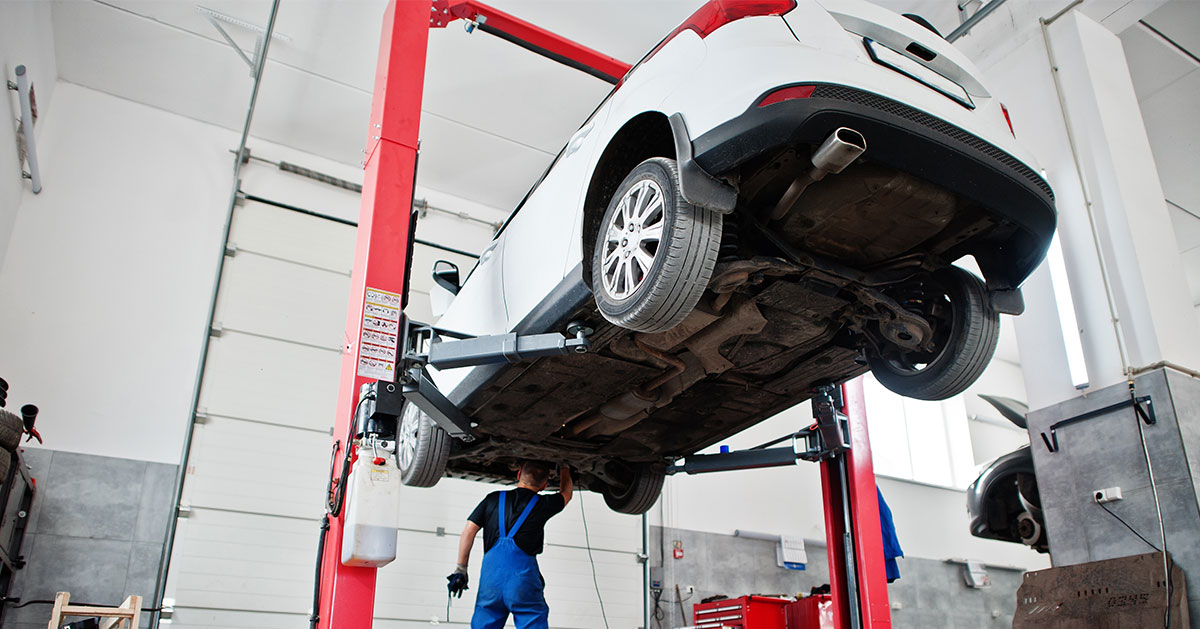

Owning a car in South Africa comes with freedom, convenience, and, let’s be honest, some surprises you’d rather avoid. Beyond the usual fuel and maintenance bills, unexpected expenses can pop up faster than a pothole on the N1. We’re talking about things like breakdowns, minor accidents, or stolen parts, which can really throw a spanner in the works.
The good news?
With a little forward planning and a smart budget, you can hit the road knowing you’re financially prepared.
Here’s how to make 2026 a year where your car costs don’t hit you like a surprise speeding fine.
Understand what’s ‘typical’
Before you can budget for the unexpected, you need a solid picture of the expected, and that can look different for everyone. You need to check what your fuel, regular servicing, tyre replacements, and wear-and-tear items like brakes, filters, and fluids will cost you. Truly, this is the only way to make sure that you set aside a realistic monthly amount and avoid allowing these routine expenses to catch you off guard.
Knowing what your ‘typical’ costs look like will help you provide your very own financial car safety cushion.
Factor in insurance
Car insurance isn’t just a ‘nice-to-have.’ It’s your financial safety net. Whether it’s comprehensive cover or third party insurance, your policy protects you from hefty bills if the unexpected happens, like accidents, theft, or natural damage.
We know we’re not your mother (although seriously, it’s January and it’s time to eat a vegetable), but it’d be a good idea to include your monthly premium in your budget to ensure you’re never under pressure and always covered.
Set aside an emergency fund
Even the most careful drivers hit bumps in the road. That’s why an emergency fund dedicated to car costs is essential. Experts suggest saving the equivalent of 3 to 6 months of routine car expenses. This fund can cover repairs that insurance may not fully cover, minor accidents, or even a replacement tyre after a particularly nasty pothole encounter.
Plan for seasonal risks
If players gonna play, then seasonal risks are gonna… Risk? Whatever, you get our point. South Africa’s day-to-day weather can be unpredictable, but we know that when ’tis the season for heavy summer storms then you best be prepared.
These seasonal changes can increase the likelihood of car troubles. Think flooded roads, leaking roofs, or battery problems in colder months. Factor in these possibilities when planning your annual budget and make sure your cover accounts for weather-related damage, too.
Keep track of small fixes
Minor repairs like replacing wiper blades, topping up fluids, or fixing squeaky brakes might seem trivial, but they add up if ignored. Track these small costs in your budget and handle them promptly to avoid larger, more expensive problems down the line. A well-maintained car is a cost-efficient car.
Use technology to your advantage
Apps that monitor fuel consumption, maintenance schedules, and even traffic conditions can save you both time and money. Some insurance providers even offer tools to calculate potential claim scenarios or maintenance costs. Knowing what to expect helps you budget smarter and avoid nasty financial surprises.
The royal takeaway
Budgeting for unexpected car costs isn’t just about saving money… It’s about peace of mind. When you plan for the unexpected, you drive with confidence knowing that minor accidents or repairs won’t turn your finances upside down.
In 2026, let your car costs be predictable and your wallet protected, all while enjoying the freedom of the open road.
Get a commitment-free quote today and start the year with peace of mind. Just pop us a WhatsApp on 0860 50 50 50 to review your cover today.
FAQs
1. What counts as an unexpected car cost?
Expenses like repairs after accidents, tyre replacements, theft, or weather-related damage.
2. Should insurance cover all unexpected costs?
Not always. Insurance covers major incidents but having an emergency fund ensures smaller costs are also managed.
3. How much should I set aside for car emergencies?
Experts recommend saving 3, 6 months of your routine car expenses for emergencies.
4. Do seasonal changes affect my car budget?
Yes. Storms, floods, and extreme temperatures can increase repair risks, so include these in your annual planning.
5. How can technology help manage car costs?
Apps can track fuel, monitor maintenance schedules, and help anticipate repairs to make budgeting easier.
